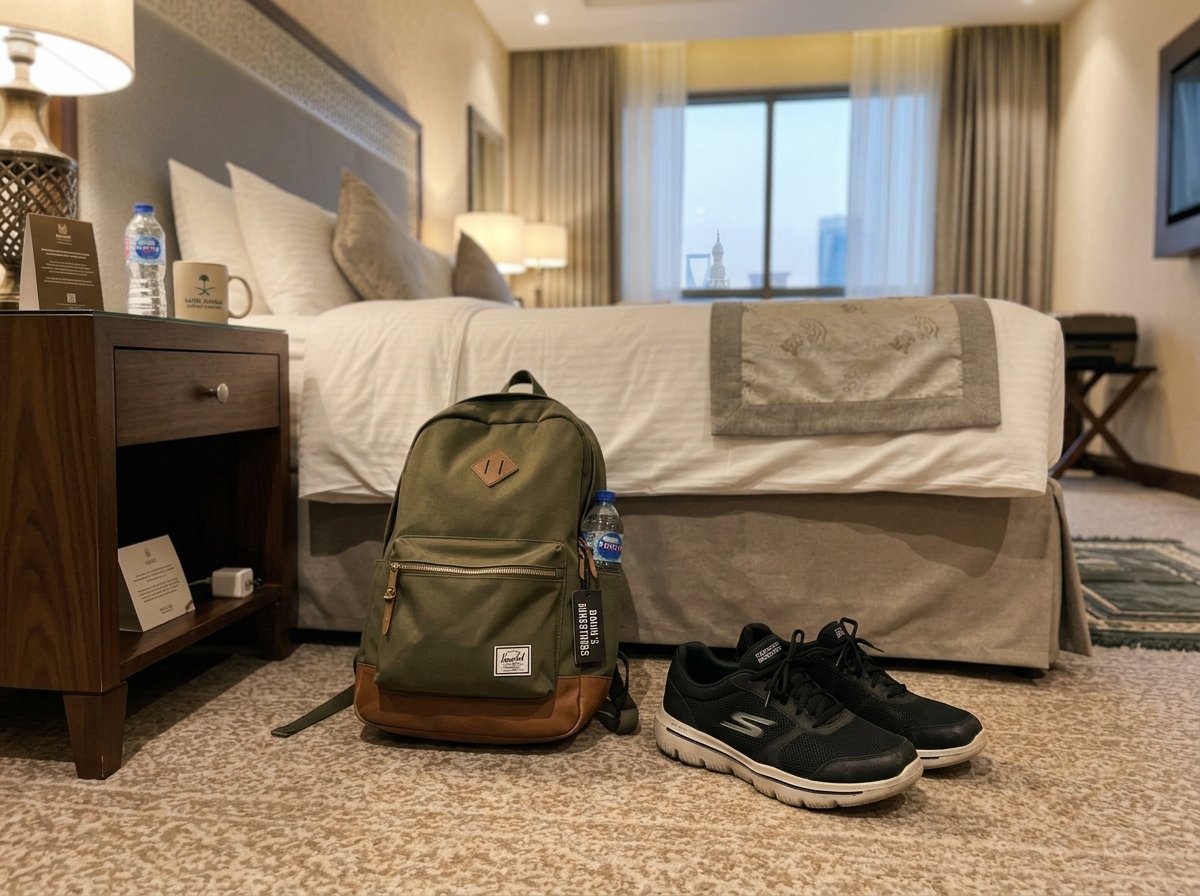
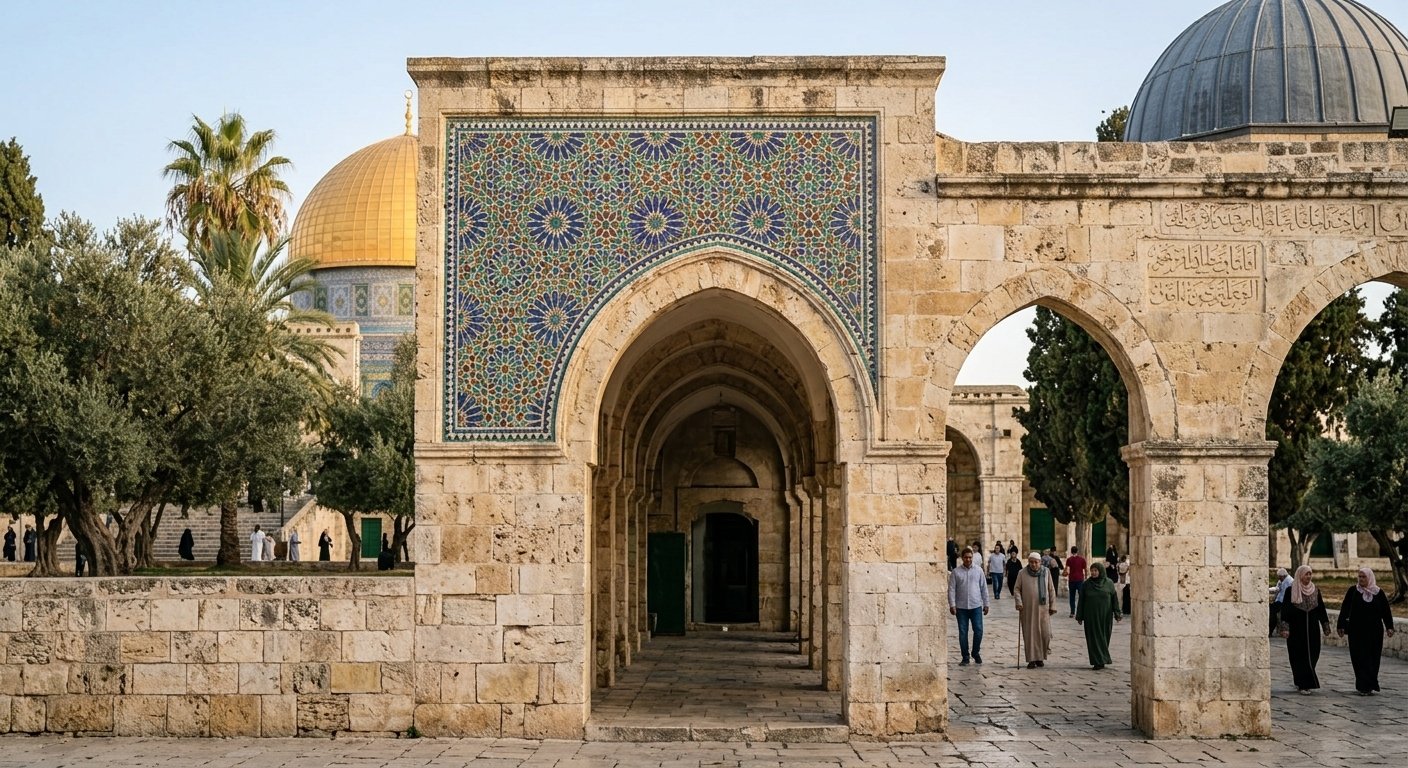
It is possible to visit an extraordinary historical place and leave knowing almost nothing about it.
The difference between seeing a site and experiencing a site is often preparation.
Learn the Story First
Before arriving, learn three things:
- What happened here?
- Who is connected with this place?
- Why does it matter?
That small amount of knowledge immediately gives context to what you are looking at.
Listen Before Taking Photos
When you arrive somewhere new, resist the urge to immediately reach for your phone.
Listen to the explanation first.
Once you understand what you are seeing, photographs become more meaningful.
Ask Questions
Good guides often have knowledge that cannot be fitted into a standard presentation.
Ask questions.
You may discover fascinating details about:
- Architecture
- Scholars
- Local traditions
- Historical events
- How the site changed over time
Look Beyond the Main Landmark
Historic Islamic cities are often filled with details that visitors walk straight past.
Look at:
- Inscriptions
- Courtyards
- Minarets
- Old streets
- Libraries
- Madrasahs
- Tombs
- Water fountains
- Architectural features
Sometimes the smaller details tell the biggest story.
Take Notes
You will probably visit many places within a short period.
Without notes, they quickly begin to merge together.
Write down one or two facts from each important location.
Be Respectful
Remember that many historical sites are still active places of worship.
Dress appropriately, keep noise to a minimum and follow instructions regarding photography or restricted areas.
Reflect Afterwards
At the end of the day, think back over what you saw.
Which story stayed with you?
Which person would you like to learn more about?
Which place changed your understanding of Islamic history?
That reflection turns travel into learning.