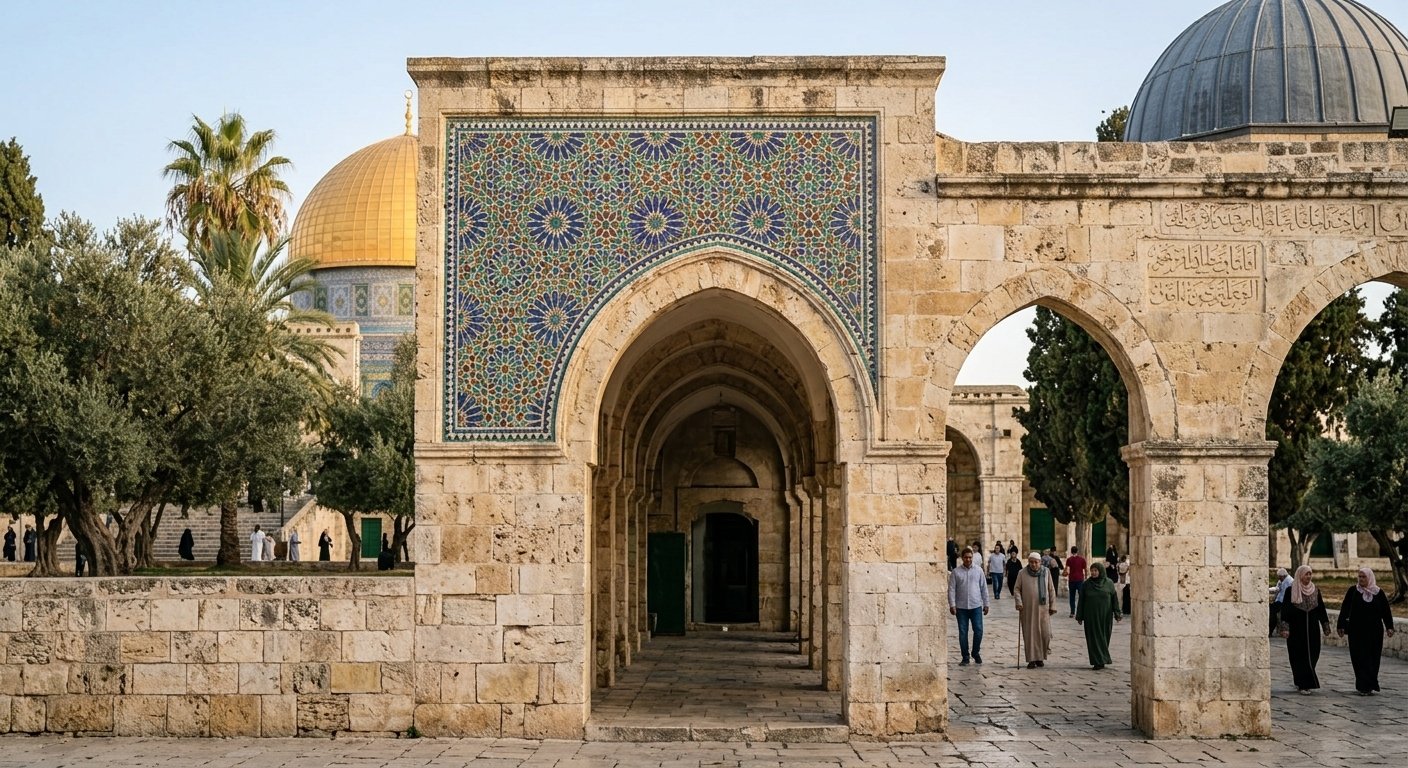
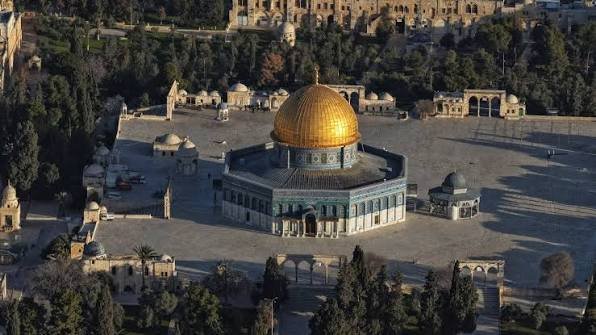
A visit to Masjid Al-Aqsa is one of the most significant journeys many Muslim travellers will make.
But Al-Aqsa is much more than one familiar photograph.
The wider sanctuary contains mosques, prayer spaces, gates, domes, fountains, platforms and centuries of Islamic history.
What Do We Mean by Masjid Al-Aqsa?
Visitors sometimes use “Al-Aqsa Mosque” only for the silver-domed Qibli Mosque.
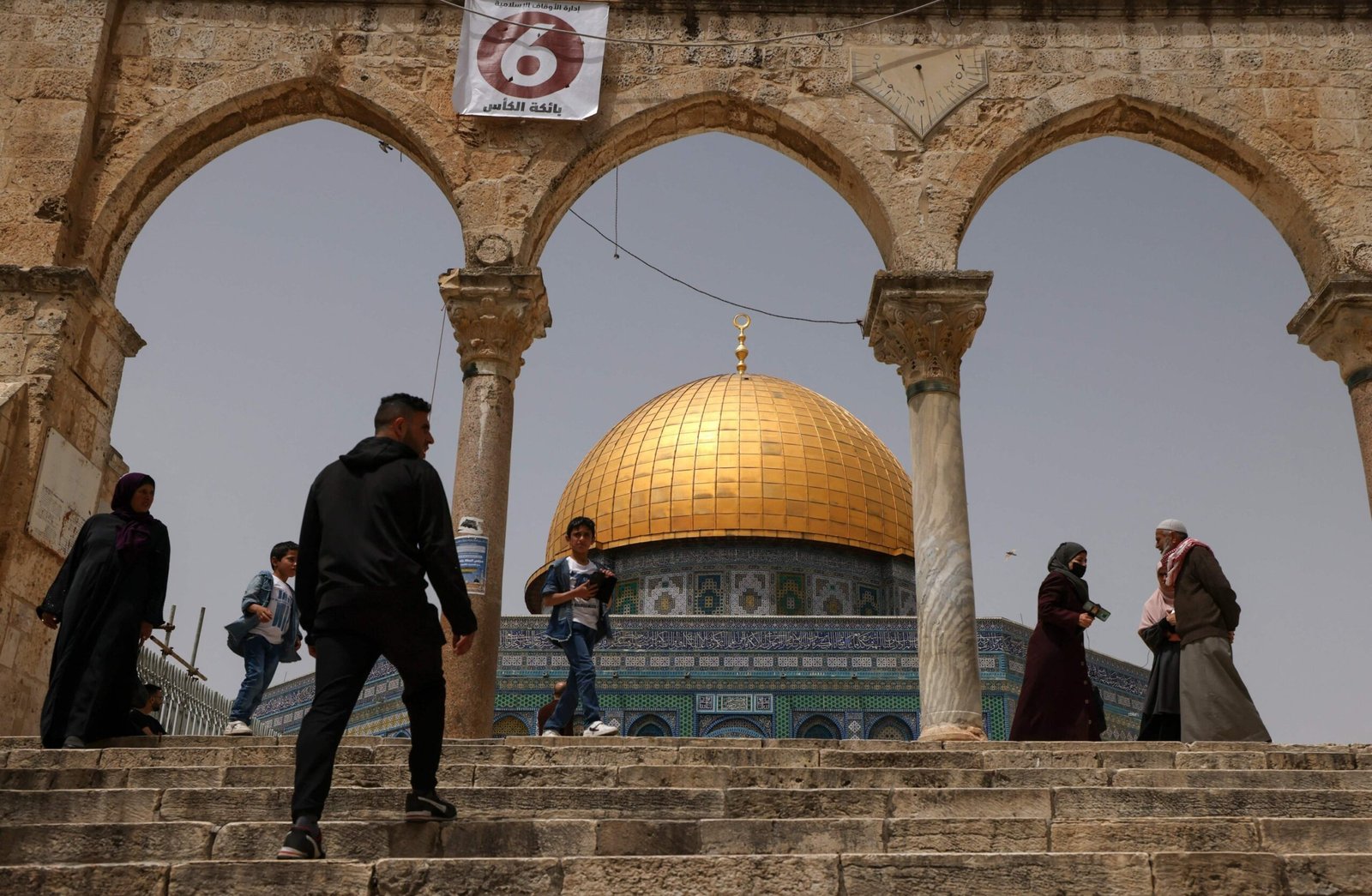
However, the wider Al-Aqsa sanctuary encompasses the compound surrounding it, including the Dome of the Rock and numerous other structures.
The site is approximately 144 dunams in area and contains 11 gates and four minarets according to the Jerusalem Awqaf administration.
Important Places to Recognise
Among the best-known locations are:
Al-Qibli Mosque
The large prayer hall at the southern end of the sanctuary.
Dome of the Rock
Perhaps the most visually recognisable structure within Al-Aqsa, distinguished by its golden dome.
Al-Marwani Prayer Hall
A large prayer area beneath the south-eastern section of the compound.
Bab al-Rahmah
An important area on the eastern side of the sanctuary.
The Gates of Al-Aqsa
Learning the names and locations of the major gates helps you understand the geography of the complex rather than treating it as a single building.
Give Yourself Time
Do not rush through Al-Aqsa simply to photograph the main landmarks.
Allow time to:
- Pray
- Walk around the sanctuary
- Listen to your guide
- Learn about individual structures
- Sit quietly
- Observe the architecture
- Reflect on the site’s history
Dress and Behaviour
Wear modest clothing appropriate for a mosque and behave respectfully throughout the sanctuary.
Remember that this is first and foremost a living place of worship.
Access Can Change
Access arrangements can change, sometimes at short notice. In 2026 the compound experienced a prolonged closure before reopening to worshippers in April, illustrating why travellers should never assume that historical opening patterns guarantee access on a particular day.
Travellers should therefore follow their tour leader’s instructions and check current local arrangements shortly before visiting.